
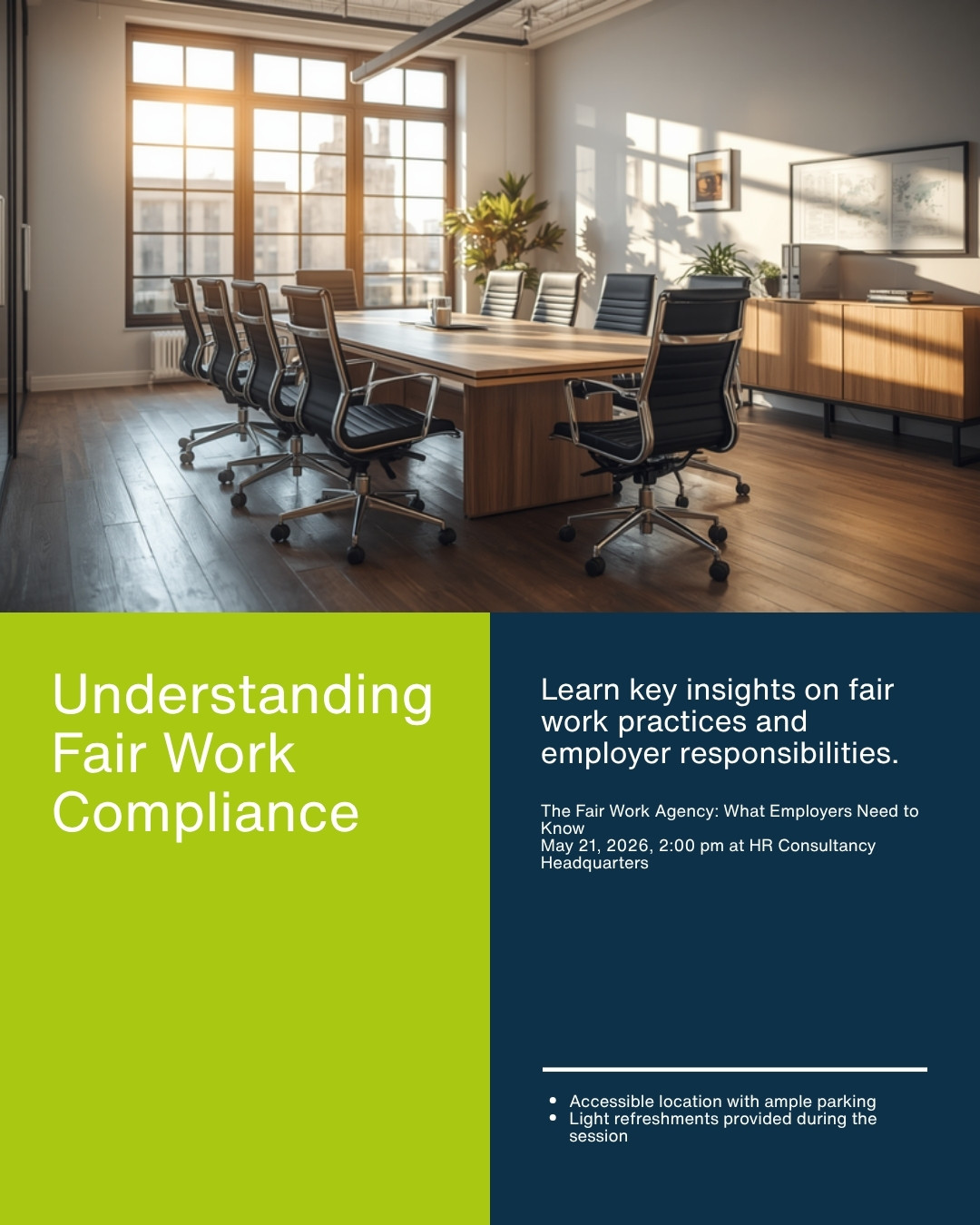
Fair Work Agency - What Employers Need to Know
A significant shift in employment law enforcement is underway. The Fair Work Agency (FWA) launched in April 2026 as part of the Employment Rights Act, and if you employ people in the UK, it's worth understanding what it means for your business.
What Is the Fair Work Agency?
The FWA is a new government body sitting under the Department for Business and Trade. Its purpose is simple: to create one single, powerful organisation responsible for enforcing workers' rights — replacing the fragmented system that existed before.
Previously, enforcement was spread across multiple bodies including HMRC's National Minimum Wage Unit, the Gangmaster and Labour Abuse Authority, the Employment Agency Standards Inspectorate, and the Director of Labour Market Enforcement. The FWA brings all of these under one roof.
Why Does It Matter for Employers?
The scale of non-compliance that prompted this change is significant. Research suggests that around 900,000 workers per year have holiday pay withheld — worth an estimated £2.1 billion — and nearly 1 in 5 workers paid at or around minimum wage were underpaid in 2024 alone.
The FWA has been given real teeth to address this. Enforcement officers can now:
Inspect workplaces and require employers to produce documentation
Issue Notices of Underpayment, requiring businesses to repay workers and pay a financial penalty to government
Bring employment tribunal proceedings on a worker's behalf
Issue Labour Market Enforcement Orders — with breach potentially resulting in fines or imprisonment
What Should Compliant Employers Do?
The good news is that the FWA is designed to support businesses that want to get it right, not just punish those that don't. It will offer guidance and help employers understand their obligations before problems arise.
For compliant businesses, this is a level playing field — rogue employers who undercut on pay and entitlements will now face far greater scrutiny.
Our advice: review your payroll processes, holiday pay calculations, and agency worker arrangements now. If you're unsure whether you're fully compliant, this is the moment to find out — before an enforcement officer does.
Need help reviewing your employment practices ahead of FWA enforcement? Contact us here or join the HR Hub


